How Do You Know If Indoor Air Quality Is Affecting Your Home Comfort?
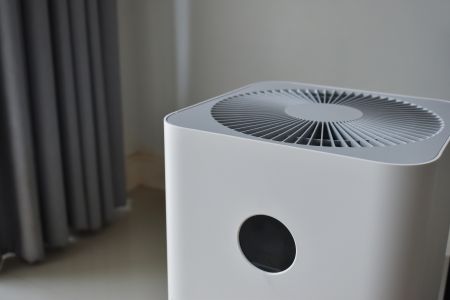
If you have rooms that never feel quite right or allergies that flare up at home, your indoor air quality in Stratford, CT could be the reason. The air inside often holds more dust, pollen, and moisture than you expect. With the right air cleaners and humidity control, your home can feel cleaner, quieter, and more comfortable.
Homes across Paradise Green, Lordship, Oronoque, and Putney all face similar challenges. Coastal air brings humidity. Winter heat dries the air. Everyday living adds particles and odors. A smart plan targets these troublemakers so your comfort system can do its best work.
What Indoor Air Quality Means For Stratford, CT Homes
Indoor air quality is the mix of particles, gases, and moisture inside your house. When that mix is off, you notice it in comfort and health. Stratford’s coastal location near Long Island Sound means summer humidity sneaks in, while winter brings dry air during long heating cycles. Older homes around Stratford Center may have tighter rooms and basements that hold damp air. Newer construction can trap pollutants if ventilation is not balanced.
Good indoor air quality supports your whole comfort system. Filtration, ventilation, and humidity control work together so your heating and cooling do not have to fight dust, odors, or sticky air. The result is steadier temperatures, fewer hot and cold spots, and easier breathing for your family.
Common Signs Your Indoor Air Quality Is Hurting Comfort
Poor air quality often shows up as small daily annoyances that add up. Look for these patterns at home or when visiting friends across Stratford:
- Headaches or fatigue that get better outside after a few minutes of fresh air.
- Dry throat, itchy eyes, or more frequent sneezing when the heat is running.
- Persistent musty odors, especially near the basement or closets.
- Sticky rooms in late June and July even when the AC is on.
- Dust that returns right after cleaning or visible dust build-up on vents and furniture.
- Uneven comfort: one bedroom too stuffy, another one drafty.
Ask other family members if they notice the same things. If symptoms ease when you spend time away from home, that points to an indoor source.
Allergy And Asthma Red Flags
Seasonal pollen from trees in spring and grasses in early summer can ride indoors on clothing and pets. If you or a child wakes congested, if eczema flares, or if asthma inhalers come out more often at home, your filtration and ventilation may need attention. A targeted solution helps reduce triggers so your body can rest while you sleep.
Why Problems Show Up Seasonally In Stratford
Each season shapes the air you breathe at home. Understanding the pattern helps explain comfort swings:
- Spring: Tree pollen is high. Windows open on mild days, which is nice but brings in pollen and outdoor dust.
- Summer: Humidity climbs with sea breezes. Basements in Lordship and along the Housatonic can feel damp. Mold and mildew odors grow stronger.
- Fall: Leaves and outdoor debris add particles. You close windows and trap indoor odors from cooking and cleaning.
- Winter: Dry air leads to static, irritated skin, and sore throats. Dust becomes more noticeable as the heat runs longer.
Comfort issues that come and go with the seasons often connect to humidity and filtration. Balancing moisture and capturing particles can calm these swings without overworking your heating and cooling equipment.
How Pros Diagnose Indoor Air Quality Issues
A trained technician studies four pillars: filtration, ventilation, humidity, and source control. Every home is different, so the visit focuses on where problems start. This may include a look at return and supply vents, duct condition, filter type and fit, and areas where air may be stagnant. Basements and crawl spaces get close attention because damp air there can spread through the entire home.
Measurements and visual checks reveal patterns that daily living hides. For example, a filter that fits loosely can let particles bypass. A closed or blocked return grille can cause a bedroom to feel stuffy. If your home relies on the stove hood or bath fans for ventilation, the tech checks how well they move air out. The goal is not guesswork. It is a clear path to fix the root cause and support your indoor comfort systems.
Proven Ways To Improve Indoor Air Quality And Comfort
There is no single fix that fits every Stratford home. Your plan depends on the age of the house, the layout, and what bothers you most. Here are common solutions that work well along the shoreline and inland:
High-efficiency filtration with whole-home air cleaners. These systems trap fine particles that standard filters miss. When installed at the air handler, they protect your equipment and provide consistent filtration for every room. Learn how air cleaners remove dust, pollen, and pet dander while keeping airflow strong.
Balanced ventilation. Bringing in the right amount of outside air helps dilute odors and indoor pollutants. In tighter homes, mechanical ventilation refreshes the air without wasting heating or cooling. This supports better sleep and clearer air in rooms that feel stale.
Humidity control. A whole-house dehumidifier can keep summer moisture in check so rooms feel cooler at the same temperature. In winter, controlled moisture helps reduce dry skin and static. Keeping indoor humidity between 40 and 60 percent makes your space feel steady and calm.
Source control and sealing. Reducing the sources of particles and odors is just as important as cleaning the air. Properly sealed return ducts prevent dusty air from basements or attics from mixing in. This gives your filtration a fair fight.
When these pieces work together, you get more than cleaner air. Your comfort system does not have to run as hard to overcome stuffy rooms or sticky air. That can lower strain on parts and help keep temperatures even from the first floor to the top bedroom.
Real-World Examples Around Stratford
In Paradise Green, a family noticed that laundry and storage areas felt clammy by late afternoon. After humidity control and better filtration, odors faded and the upstairs bedrooms felt less sticky. In Oronoque, a homeowner battled dust returning two days after cleaning. A properly sized filter cabinet and improved return air solved the cycle. While every home is different, these patterns are common across Stratford.
How Clean Air Supports Allergy Relief
Cleaner air can ease the burden on your body. By capturing fine particles and reducing indoor triggers, many families report fewer flare-ups and better sleep. This is not a medical cure, but a cleaner home environment supports allergy relief HVAC strategies by lowering exposure to what makes you feel worse. When the air is stable and fresh, you feel the difference in the morning.
What To Expect During A Professional Indoor Air Assessment
Your visit begins with a conversation about comfort patterns. The tech asks when symptoms happen, which rooms feel off, and what has been tried. Then they review your filter size and type, check airflow, and look for moisture clues in basements and bathrooms. You will get clear next steps that match your goals, whether you want fewer odors, less dust, or steadier comfort.
Recommendations can include upgrades to filtration, ventilation adjustments, or adding a whole-house dehumidifier. Details vary by home size and layout. The focus is a simple plan that fits your routine and keeps maintenance easy.
Choosing Solutions That Fit Your Home And Budget
It is wise to choose changes that deliver the biggest benefit first. For a home near the water, humidity control may come first. For a home with pets and spring allergies, advanced filtration may be the best starting point. Your options can scale over time so you do not have to do everything at once. What matters most is getting the foundation right so comfort feels natural in every season.
To learn more about filtration options and how they pair with your system, explore our page on home air quality solutions. It explains how whole-home units integrate with your equipment and what to expect in performance.
Why Work With Steve Basso Plumbing, Heating & AC, LLC In Stratford, CT
Local homes face local challenges. Our team understands shoreline humidity, older basements, and the way neighborhoods like Lordship and Putney are built. We recommend solutions that respect your home’s layout so your system runs smoothly. You get clear communication, neat work, and follow-up support that keeps your indoor comfort systems in great shape.
If you are researching indoor air quality in Stratford, CT, start with a conversation. We will listen first, then guide you to a plan that fits your home and goals. No pressure. Just practical steps that make the air feel better day and night.
Simple Next Steps To Breathe Easier
Ready to feel the difference in every room? Call 203-335-0224 to schedule an in-home air quality assessment with Steve Basso Plumbing, Heating & AC, LLC. We will review your comfort concerns, check key areas, and outline a right-sized plan you can trust. For details on filtration options that tackle dust, pollen, and pet dander, visit our page on air cleaners.
Your home should be a place where you rest, recover, and enjoy time together. With the right plan, you can reduce irritants, control moisture, and create a steady, calm feel throughout the house. That is the promise of cleaner air and a smarter approach to comfort.